
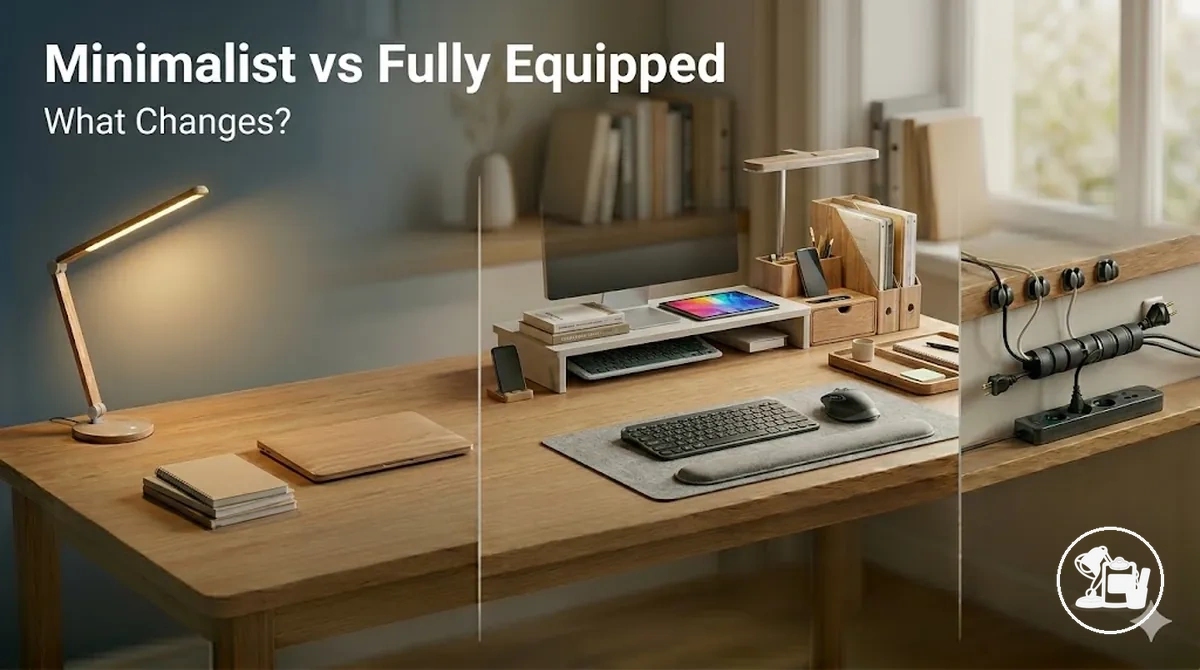
Minimalist vs Fully Equipped Study Desk Accessories
Minimalist vs fully equipped study desk accessories depend on workspace needs, study routines, and device usage. Minimalist setups prioritize essential functionality, keeping only items that directly support studying, while fully equipped setups extend to additional storage, adjustable lighting, and enhanced cable management. Key differences include workspace coverage, comfort support, storage depth, and budget impact, with minimal setups maintaining a clean desk while full setups manage broader functionality.
The decision between a minimalist setup and a fully equipped setup involves evaluating desk size, number of devices, and study habits. Minimalist study desk accessories focus on compact organizers, essential lighting, basic cable control, and limited storage to maximize usable surface area. Fully equipped desk accessories introduce extra storage options, adjustable lamps, extended cable management, and additional comfort items to support diverse study activities. Users can review options and related setups through the study desk setup accessories hub.
Ultimately, the distinction is in the prioritization of accessory functions rather than mere quantity. Minimalist setups can be fully functional for focused work, while fully equipped setups accommodate more complex tasks, longer study sessions, and multiple devices without necessarily causing clutter.

What Counts as Minimalist and Fully Equipped Desk Accessories
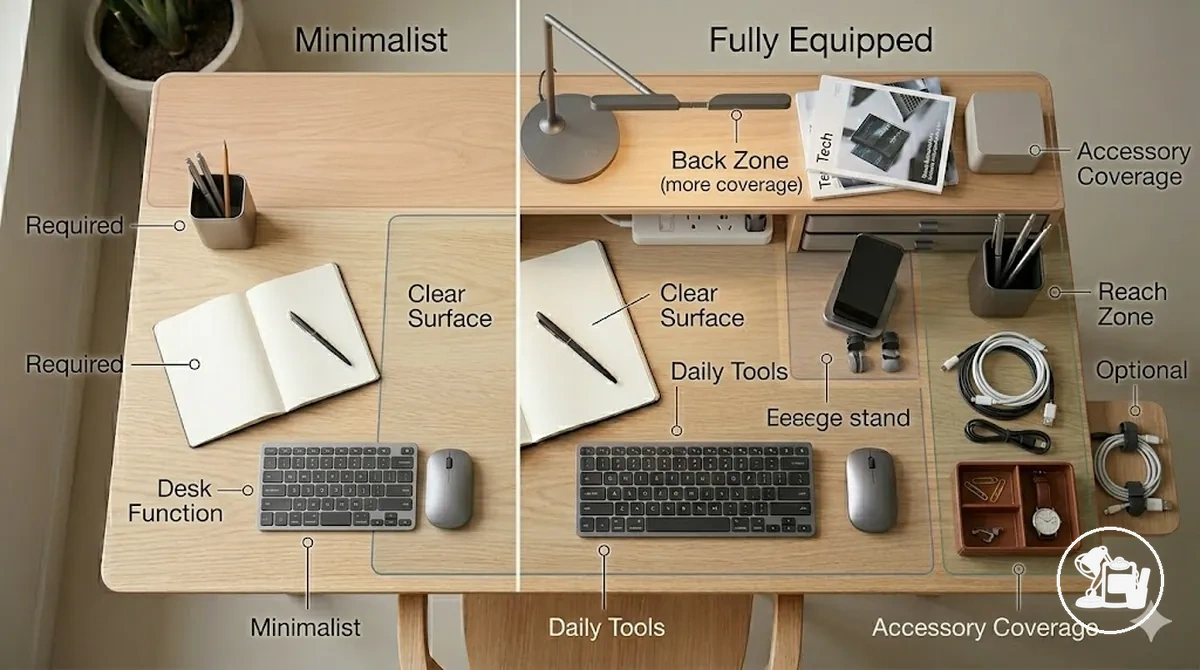
Minimalist desk accessories are an accessory set that includes only the required accessories needed to maintain core desk function and a compact setup. Fully equipped desk accessories are an accessory set that combines required accessories with optional accessories, extending functionality for organization, device support, and enhanced accessory coverage.
The distinction between minimalist and fully equipped desk accessories relates to accessory level rather than visual style. Minimalist setups focus on essential desk function with limited footprint, supporting clutter control and usability when desk space is constrained. Fully equipped setups may include extra storage, cable management, and device accommodations to support broader desk function without necessarily creating clutter. Accessory level defines functional support, while aesthetic style determines the look and feel of the workspace.
| Accessory Set | Function and Coverage |
|---|---|
| Minimalist desk accessories | Include required accessories that maintain essential desk function, compact setup, and a clean surface. |
| Fully equipped desk accessories | Include required accessories plus optional accessories for added storage, cable management, device support, and extended functionality. |
Accessory Scope Changes Between Minimalist and Full Setups
Accessory scope changes between a minimalist setup and a fully equipped setup depend on accessory level and desk function. Minimalist setups focus on essential accessories to maintain a clean setup and preserve desk space, while fully equipped setups expand accessory coverage to support additional devices, organization, and study routines.
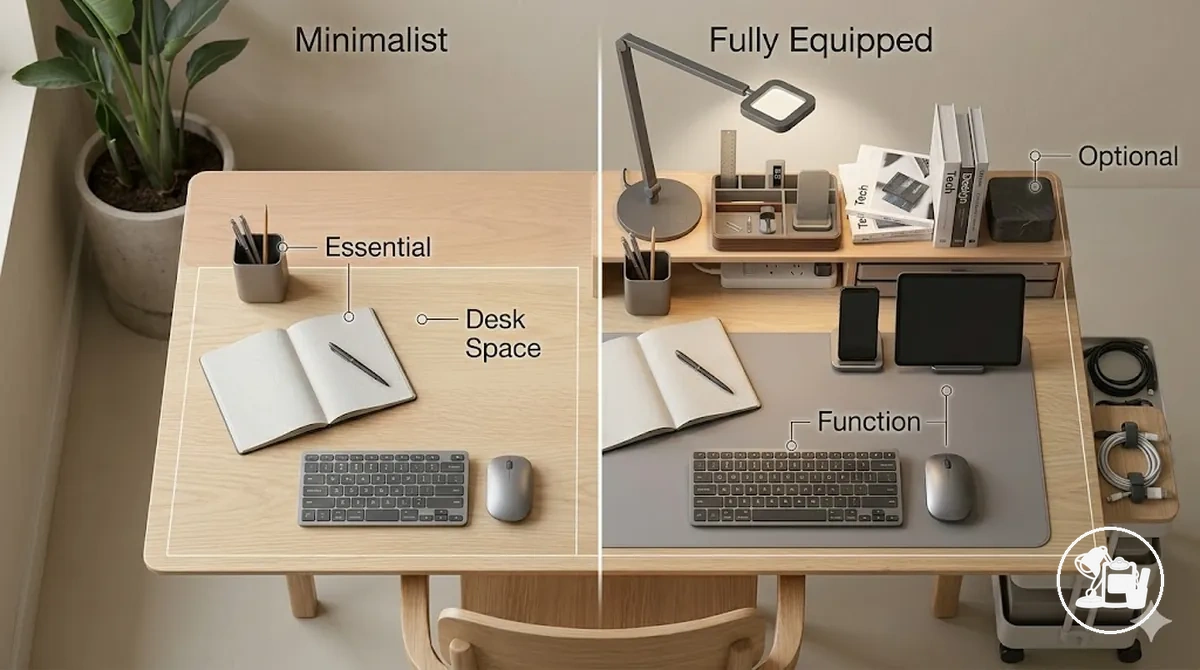
The change in accessory scope is illustrated through key categories such as desk organizer, lamp, desk mat, cable control, storage, stand, and writing support. Each category can include essential items in a minimalist setup and additional optional items in a full setup, impacting usability and function without necessarily creating clutter. The trade-off is between a compact setup and expanded functional coverage, which helps distinguish useful versus unnecessary accessories based on actual desk function.
| Accessory | Role | Minimalist Setup | Fully Equipped Setup | Outcome |
|---|---|---|---|---|
| Desk Organizer | Organize essentials | Basic organizer | Expanded organization system | Storage capacity and function vary with accessory level |
| Lamp | Support visibility | Single light source | Adjustable or task-focused lighting | Comfort support adapts to study routine |
| Desk Mat | Define work surface | Optional based on function | Included to organize and protect workspace | Workspace structure and surface protection improve with accessory coverage |
| Cable Control | Manage connections | Basic cable routing | Expanded cable management | Clutter control improves with higher accessory level |
| Storage | Hold supplies | Limited storage | Additional storage elements | Usability improves when more materials are organized |
| Stand | Support devices | Added only when needed | Common for multi-device use | Function depends on workflow and device load |
| Writing Support | Assist note-taking | Essential items only | Additional support accessories | Accessory coverage expands with study requirements |
Minimalist accessories that stay essential
In a minimalist setup, only accessories that provide high utility and support core desk function remain. Compact items are chosen to minimize footprint while ensuring essential desk use, maintaining accessibility and functionality.
Examples of essential minimalist accessories include:
- Compact Lighting: Offers sufficient illumination; required when natural light is limited; enhances desk visibility.
- Small Organizer: Holds frequently used items; necessary for maintaining a clean setup; supports clutter control and easy access.
- Basic Cable Control: Organizes essential device cables; conditionally needed based on connected devices; prevents tangling and preserves desk usability.
- Simple Mat: Defines work area; optional depending on desk surface; protects desk and helps maintain organized layout.
- One Support Item: Such as a small device stand; conditionally necessary based on study routine; supports ergonomics and workflow.
Fully equipped accessories that add capability
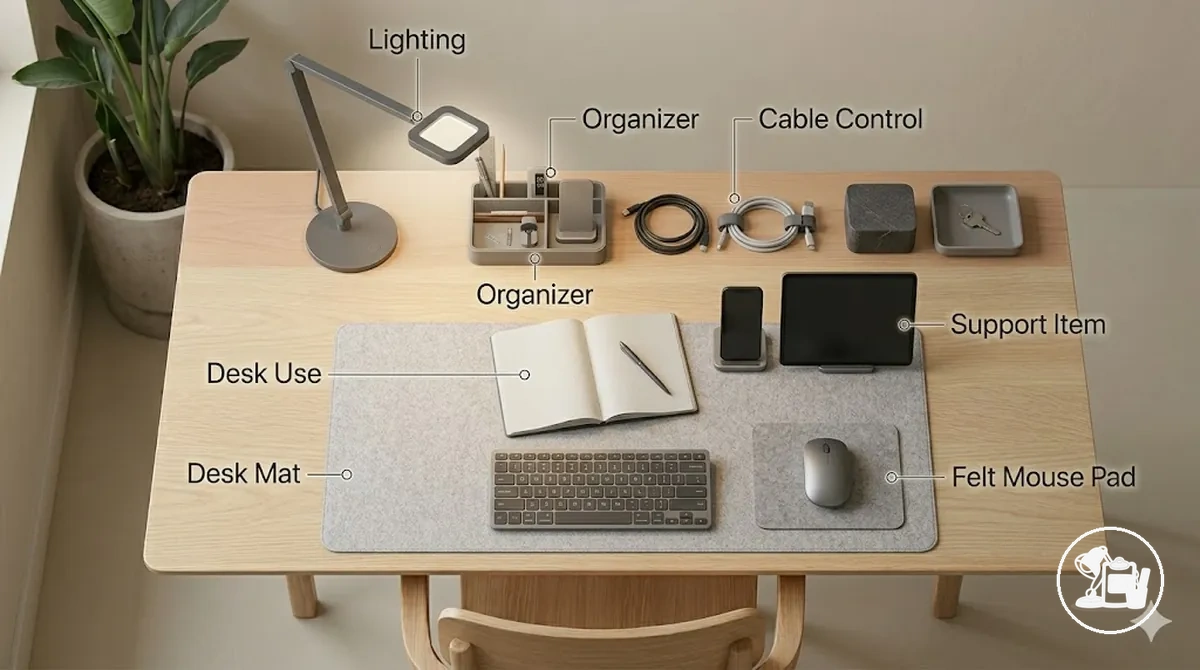
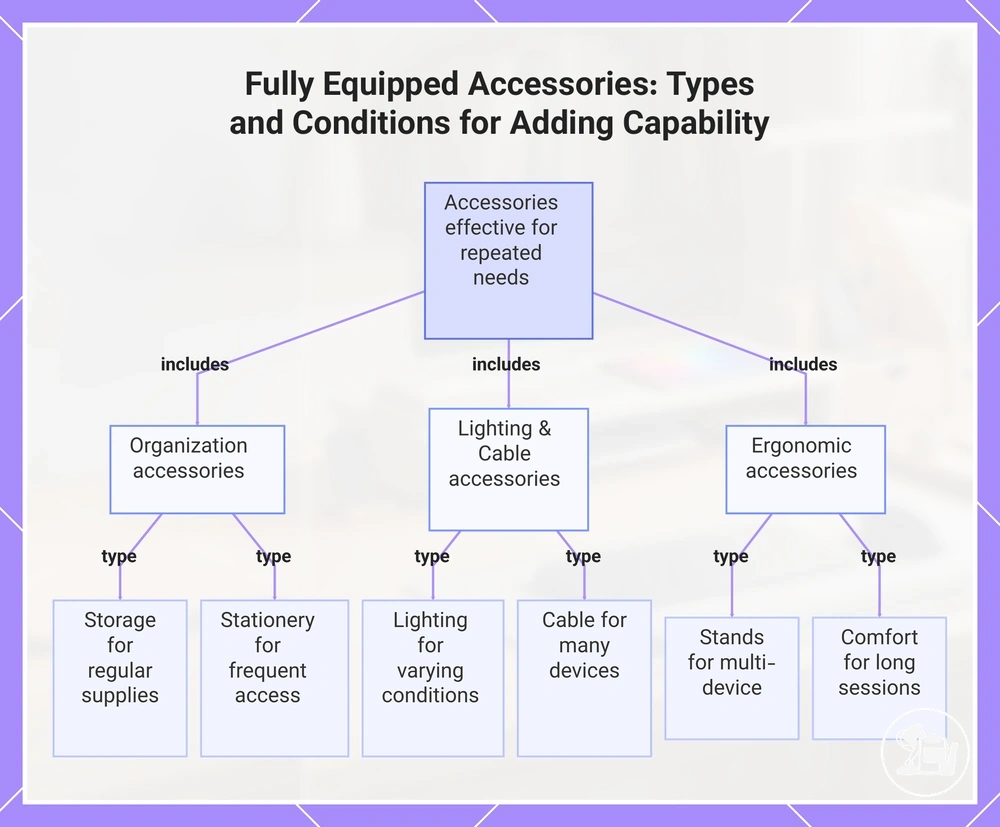
Fully equipped accessories add capability when desk use involves more devices, materials, or longer study sessions. Their accessory function is to expand accessory coverage beyond a compact item set, but the benefit depends on available desk space, study routine, and whether the added item solves a recurring need.
- Storage Solutions: Add organization capacity; suitable when supplies are used regularly; can improve clutter control and usability.
- Adjustable Lighting: Adds flexible illumination options; useful when lighting conditions vary; may improve visibility and comfort.
- Cable Routing: Extends cable management; suitable when device count increases; can keep connections organized and accessible.
- Device Stands: Add positioning support for screens or tablets; useful for multi-device desk use; may improve workflow and viewing angles.
- Stationery Control: Adds dedicated organization for writing tools and materials; suitable when items are accessed frequently; can reduce surface clutter.
- Comfort Supports: Add ergonomic support; useful during longer sessions; may improve comfort when matched to individual needs.
Added capability does not automatically create a better setup. A full setup is usually most effective when each accessory addresses a repeated condition rather than increasing accessory count without a clear function.
This chart shows the main categories of fully equipped accessories and the specific conditions under which each type adds capability, based on recurring needs and desk use.
Clean Desk Space vs More Functional Coverage
The trade-off between maintaining a clean desk space and increasing functional coverage depends on desk size, accessory level, and study routine. A minimalist setup preserves open surface area, clear reach zones, and lower clutter, whereas a fully equipped setup prioritizes additional functionality, storage, and device support, often reducing open desk space.
| Condition | Choice | Usability Outcome |
|---|---|---|
| Small desk | Minimalist setup | Maximizes surface area and ease of access |
| Shared desk | Minimalist setup | Reduces storage pressure and clutter between users |
| Device-heavy routine | Fully equipped setup | Supports multiple devices with better cable management and lighting placement |
| High storage needs | Fully equipped setup | Offers additional storage solutions while balancing desk footprint |
Choosing between a clean setup and more functional coverage involves assessing whether additional accessories address repeated desk needs effectively. Users managing constrained or shared spaces may prefer a minimalist approach and can explore a small-space accessory setup for guidance. Device-heavy routines, in contrast, often justify expanded accessory coverage for better usability and organization.
Desktop surface and clutter control
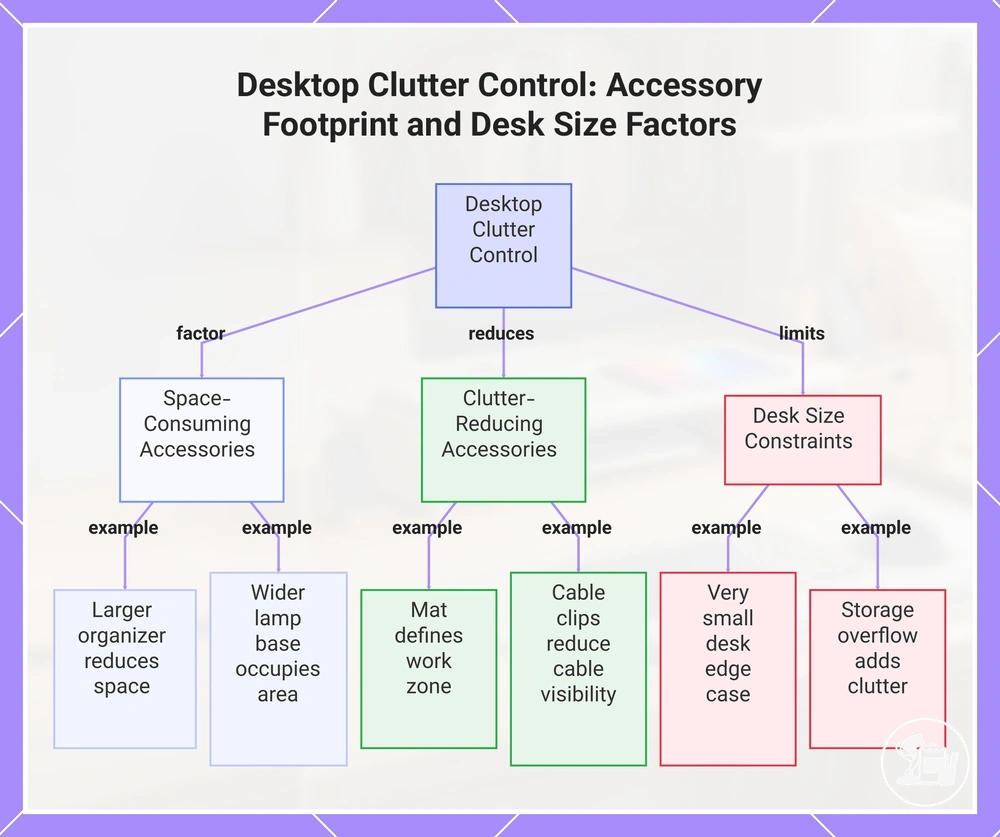
Desktop surface and clutter control depend on desk size, available space, and accessory footprint. The fit between accessories and the desk condition often determines whether a setup feels open or crowded, and clutter can increase when accessory footprint grows faster than usable surface area.
- Organizer Size: A larger organizer may improve storage, but on a smaller desk it can reduce available space and increase visible clutter.
- Lamp Base: A wider lamp base occupies more surface area; when desk size is limited, it may affect usable workspace.
- Mat Dimensions: A larger mat can define a work zone, but its fit depends on desk dimensions and remaining surface needs.
- Cable Clips: Cable clips support clutter control; when device count increases, they may reduce cable visibility and improve usability.
- Storage Overflow: When storage capacity does not match desk use, items may remain on the surface and contribute to clutter.
Very small desks can create an edge case where even a compact setup feels crowded because available space is limited. In that condition, the comparison is less about accessory coverage and more about how each accessory footprint affects clutter, surface access, and overall desk usability.
This chart shows how accessory footprint and desk size affect desktop clutter, including space-consuming items, clutter-reducing accessories, and desk size constraints.
Storage, lighting, and cable control trade-offs
Storage, lighting, and cable-control accessories involve a trade-off between added function and the desk space they consume. In a minimalist setup, lower accessory level can preserve a clean setup and easier access, while a fully equipped setup may increase accessory coverage when storage needs, cable load, or device count are higher.
| Accessory | Function / Value | Drawback / Trade-off |
|---|---|---|
| Storage | Provides additional capacity for supplies and frequently used items | May reduce desk depth and available work surface when storage footprint increases |
| Lighting | Offers adjustable illumination for different desk conditions | Larger lighting accessories can occupy desk space and affect reach zones |
| Cable Control | Improves cable visibility and supports clutter control | Additional routing accessories may require space allocation when cable load grows |
Accessory space allocation depends on access frequency, desk depth, and the value each accessory adds to daily use. Storage that is rarely accessed, lighting with limited adjustment needs, or cable-control accessories that exceed the actual cable load may provide less benefit relative to their footprint. The decision is usually stronger when accessory function clearly supports usability, and users evaluating these trade-offs can relate them to arranging accessories cleanly without expanding accessory coverage beyond practical needs.
Productivity, Comfort, and Focus Differences
Productivity, comfort, and focus differences depend on how accessory choices match the study routine, desk space, and accessory level. A minimalist setup may support focus by reducing visual distraction and keeping frequently used items within reach, while a fully equipped setup may provide additional function through posture support, lighting comfort, and device positioning when those conditions are relevant.
| Condition | Support | Effect |
|---|---|---|
| Writing-heavy study routine | Compact accessory coverage with clear reachability | May reduce interruptions because materials remain accessible and visual distraction stays limited |
| Laptop-heavy study routine | Device-height support and adjustable lighting | May improve comfort and focus when screen position and lighting conditions require adjustment |
| Long study sessions | Additional comfort-focused accessories and organized cable control | May support concentration by reducing unnecessary interruptions and improving workspace consistency |
Each trade-off depends on the relationship between accessory function and the study condition. A clean setup may suit users who prioritize minimal visual distraction, while a fully equipped setup may be more useful when device count, lighting needs, or workstation adjustments increase. The decision is usually less about choosing a higher accessory level and more about selecting accessory coverage that supports productivity, comfort, and focus without adding unnecessary complexity.
Cost and Value Differences Between Minimal and Full Desk Accessories
Cost and value differences between minimal and full desk accessories depend on upfront cost, value, durability, upgrade priority, budget, and space cost. A minimalist setup can limit spending by focusing on fewer high-utility items, while a full setup may increase accessory coverage when repeated desk use requires more storage, comfort, or device support.
| Type | Factor | Condition | Decision |
|---|---|---|---|
| Minimalist setup | Upfront cost | Fewer accessories are selected | Prioritize essentials with clear daily function |
| Minimalist setup | Replacement risk | One compact item handles frequent use | Consider durability when the item carries repeated workload |
| Full setup | Space cost | More accessories occupy desk space | Add only items that justify their footprint |
| Full setup | Multi-function value | One accessory supports more than one recurring task | Upgrade when the added function reduces repeated friction |
| Both setups | Upgrade priority | Budget must separate essentials from optional upgrades | Use budget accessory choices to compare function before expanding accessory level |
The stronger value choice is usually the accessory that solves a repeated desk need without creating unnecessary footprint, replacement pressure, or budget strain. Essentials should protect core desk function first, while optional upgrades should be added only when frequency of use, durability needs, and space cost support the decision.
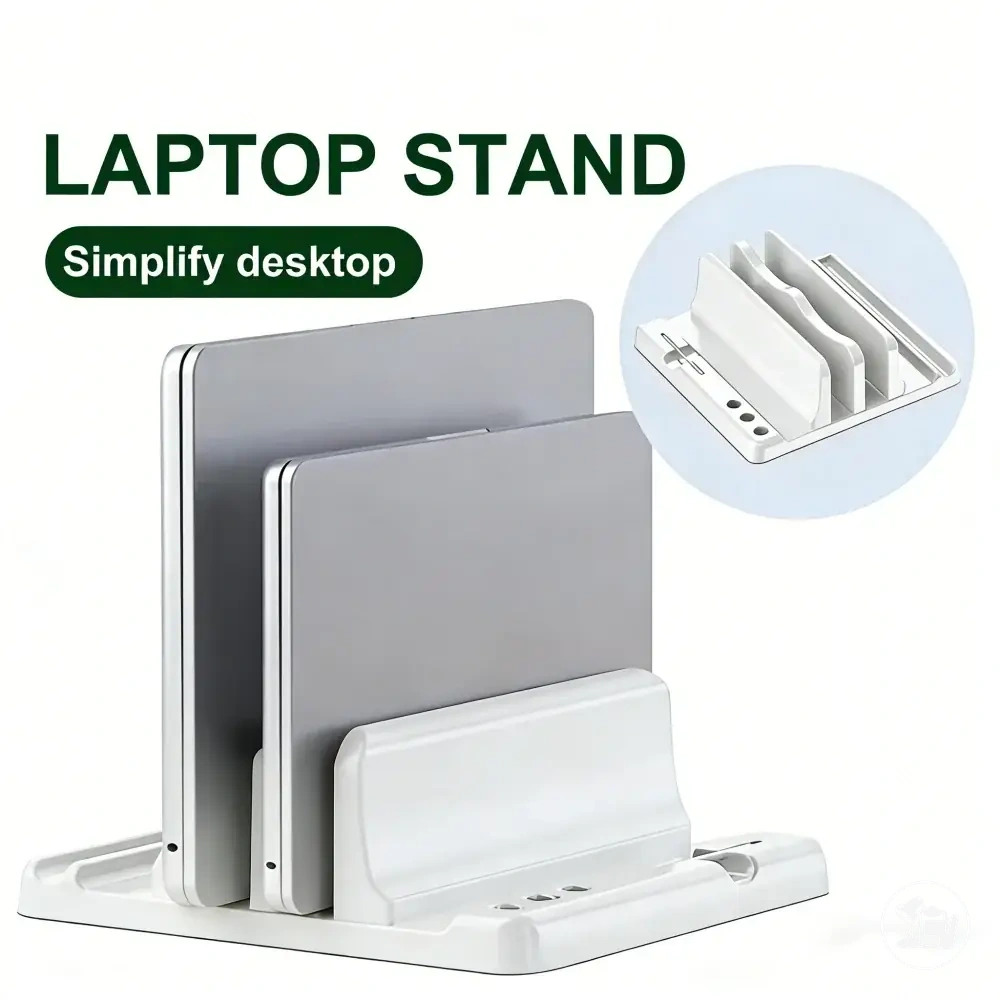
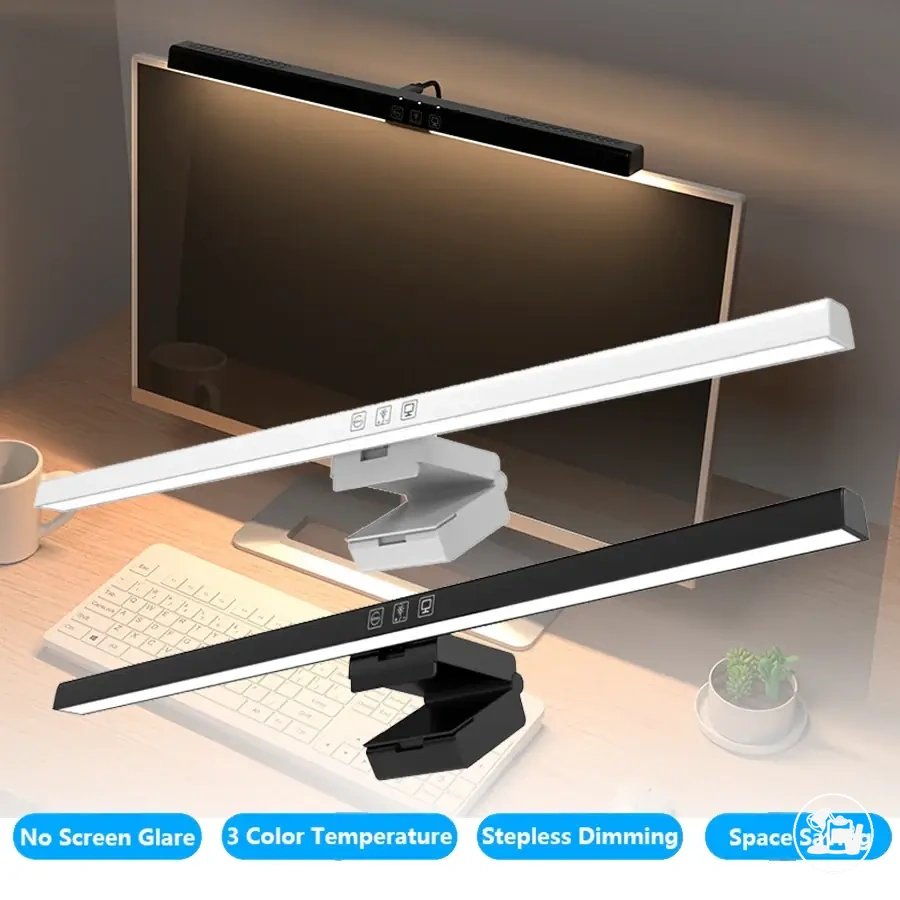
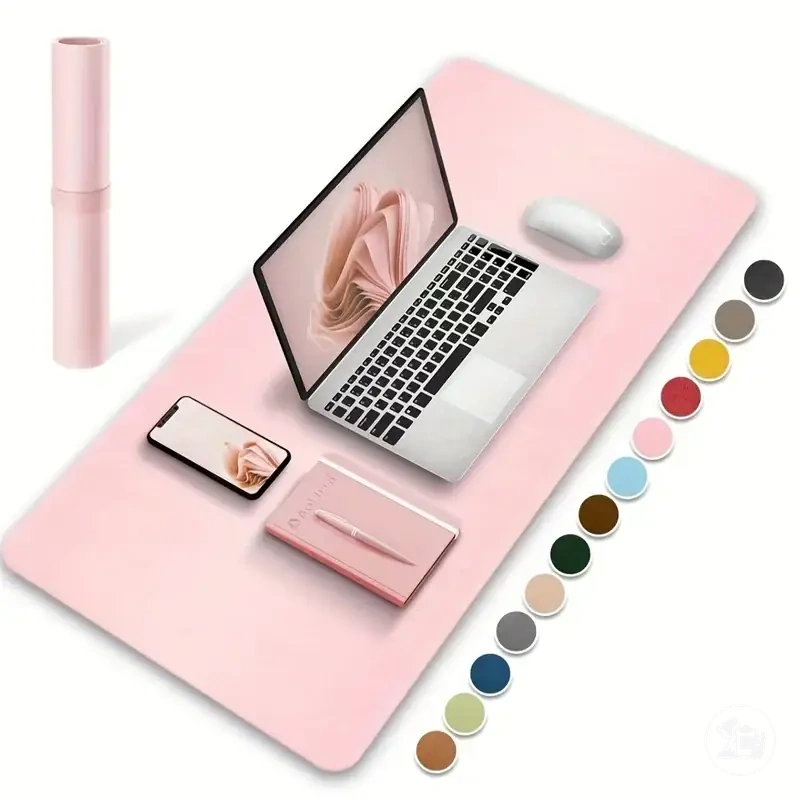
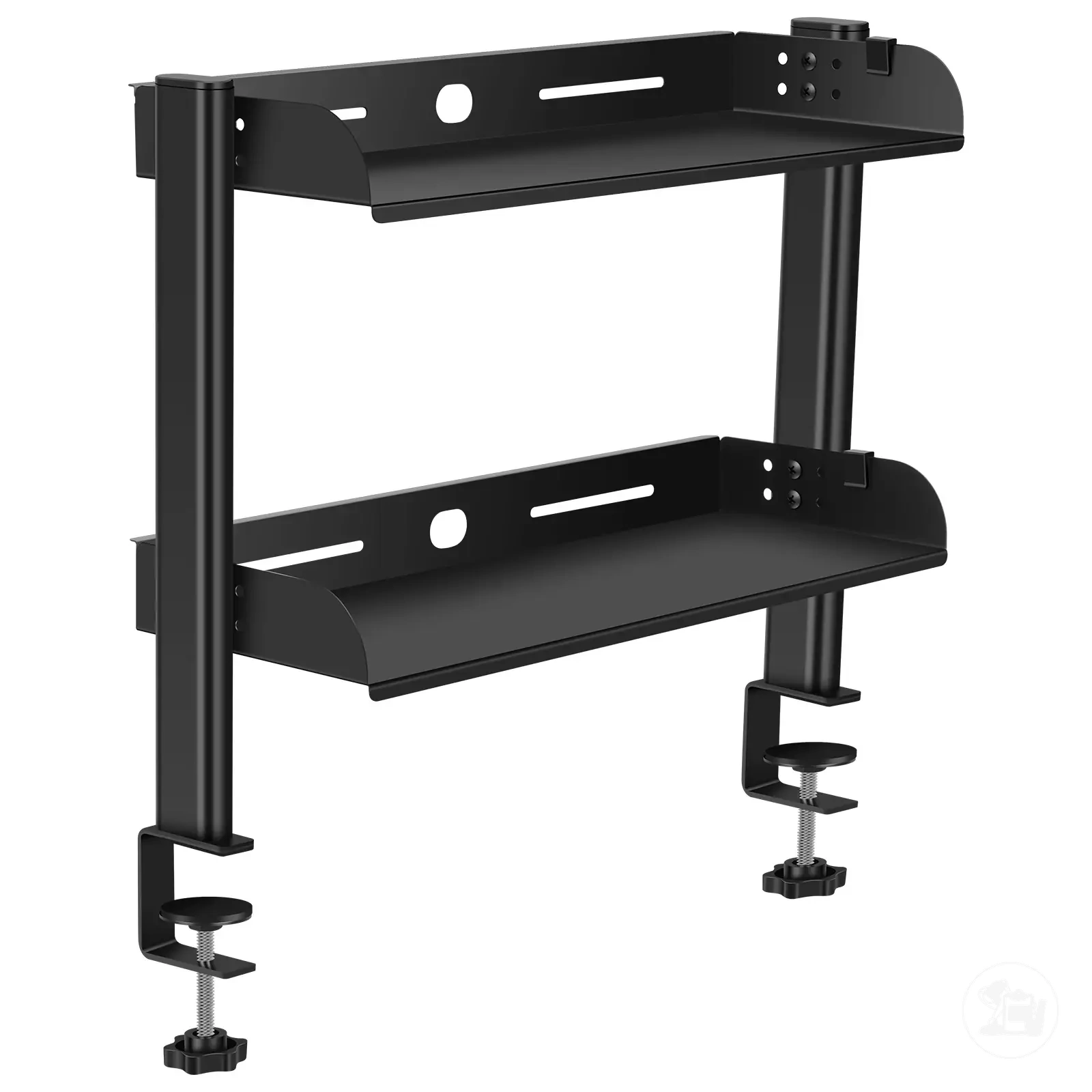
The products below are useful examples for comparing available options. Before buying, check that the compatibility criteria, key features, and product details match your needs.

When a Minimalist Desk Setup Is the Better Choice
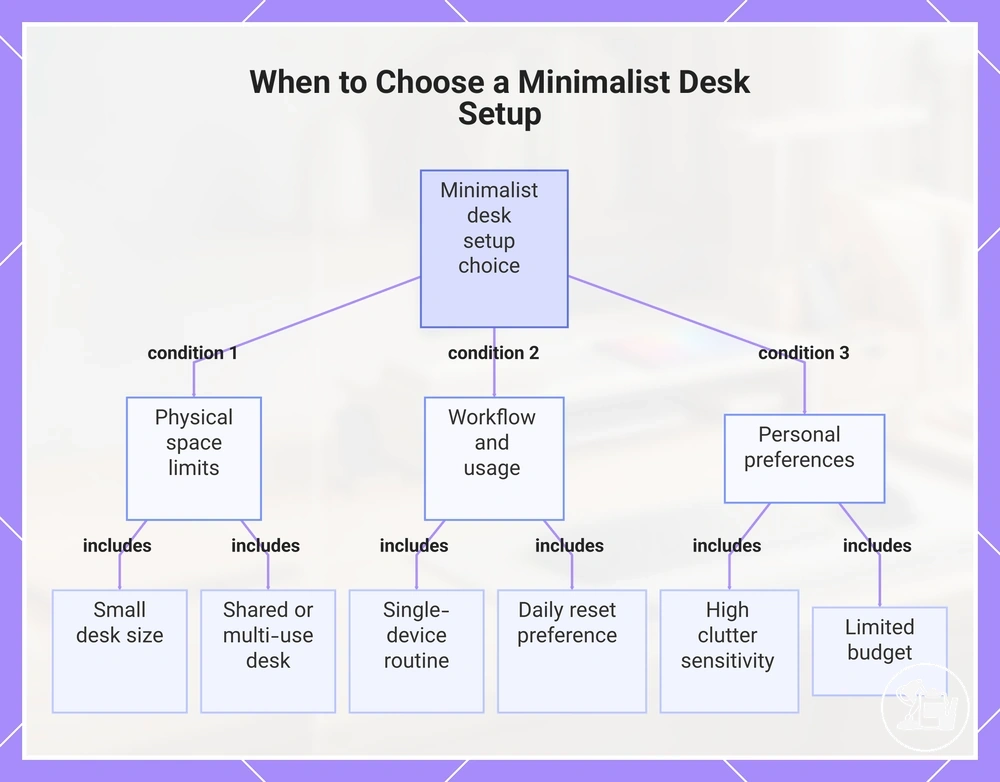
A minimalist desk setup is usually preferred when the choice condition emphasizes limited desk size, low device count, high clutter sensitivity, or a need for easier daily reset. Under these conditions, a compact setup with low accessory level can maintain essential functionality without creating unnecessary visual or functional overhead.
- Small desk size → minimal accessory coverage → preserves usable surface and reachability for essential tasks
- Single-device study routine → minimalist setup → reduces clutter and simplifies workflow
- High clutter sensitivity → clean setup → makes daily desk maintenance and organization easier
- Limited budget → minimal setup → prioritizes essential accessories that provide direct function
- Shared or multi-use desk → low accessory level → keeps surface clear and prevents overlap of items
- Daily reset preference → compact setup → facilitates quick clearing and reorganization; see minimal setup ideas
Considering these criteria allows users to select a desk setup that aligns accessory coverage with actual study needs, ensuring functionality and usability without adding unnecessary items or complexity.
This chart shows the main conditions that make a minimalist desk setup the preferred option over a more equipped arrangement.
The products below are useful examples for comparing available options. Before buying, check that the compatibility criteria, key features, and product details match your needs.
When a Fully Equipped Desk Setup Makes More Sense
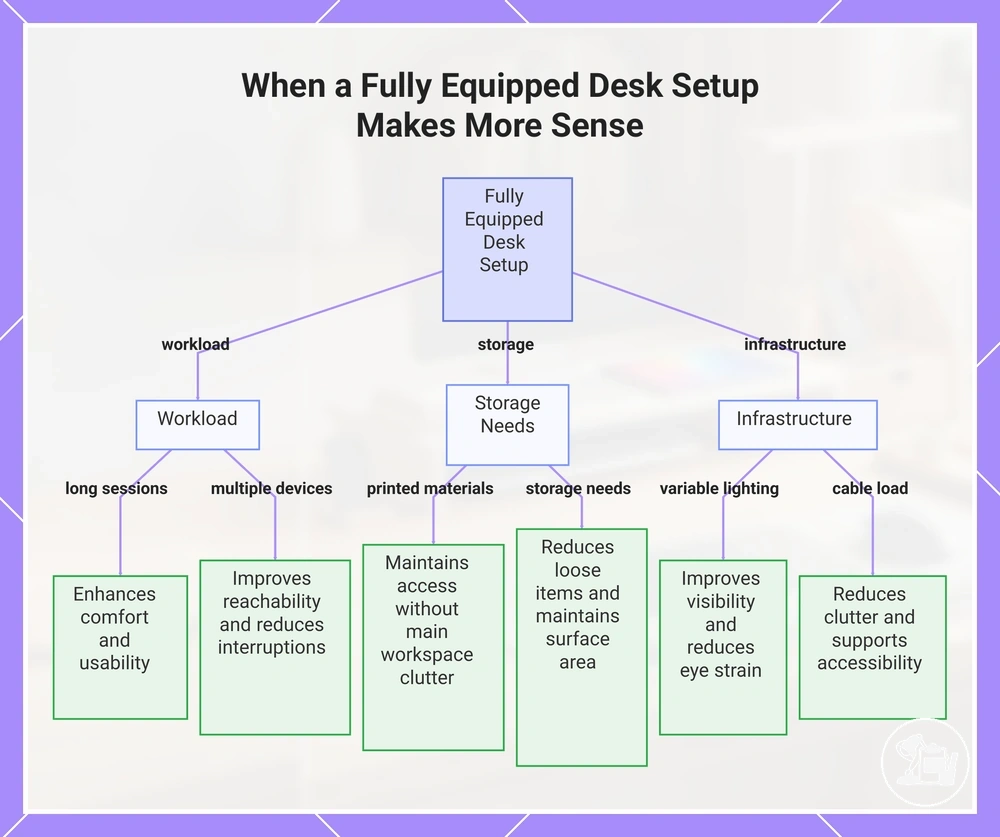
A fully equipped desk setup is suitable when choice conditions involve long study sessions, multiple devices, high volume of printed materials, significant storage needs, variable lighting requirements, posture support, or extensive cable management. In these situations, a higher accessory level provides practical support for repeated tasks without unnecessarily crowding the desk if space and routine allow.
- Extended study sessions → full accessory coverage → may enhance comfort and usability during long work periods
- Multiple devices → stands, organizers, and cable management → can improve reachability and reduce interruptions when switching between devices
- Frequent printed materials → additional storage and trays → helps maintain access without covering main workspace
- Higher storage needs → organizers, drawers, or compact storage units → can reduce loose items and maintain usable surface area
- Variable lighting → adjustable lamps → may improve visibility and reduce eye strain under changing study conditions
- High cable load → structured routing → can reduce clutter and support device accessibility
This setup is usually practical for users with complex or multi-step study routines where accessory function aligns with repeated tasks. The decision should always weigh accessory coverage against desk space and clutter control to ensure usability remains efficient without over-accessorizing.:contentReference[oaicite:0]{index=0}
This chart shows the key conditions that make a fully equipped desk setup suitable and the specific benefits each condition provides.
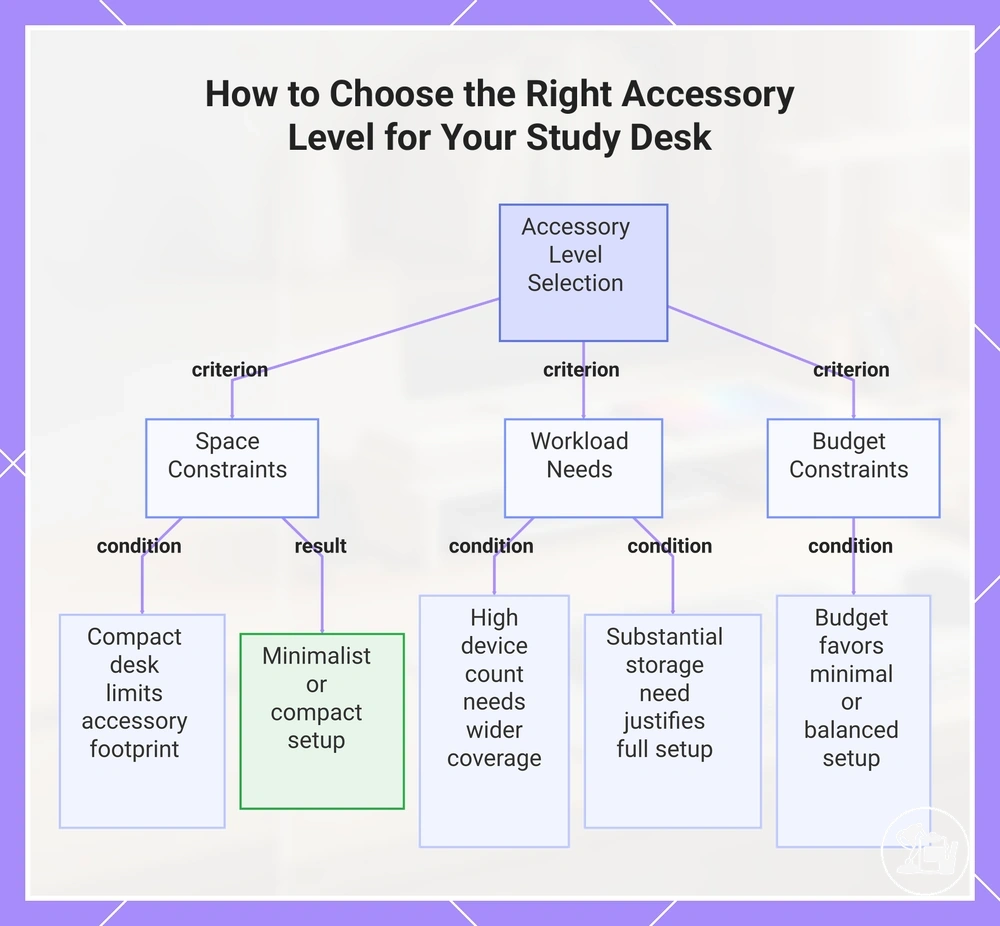
How to Choose the Right Accessory Level for Your Study Desk
Choosing the right accessory level depends on evaluating key criteria such as desk size, accessory footprint, device count, storage need, lighting, cable load, comfort, and budget. The optimal decision is usually achieved when the minimal accessory set adequately supports recurring study tasks, balancing function, space, and workflow efficiency.
- Compact desk size → limited accessory footprint → favors a minimalist or compact setup to preserve usable surface and maintain reachability
- High device count → higher accessory coverage → balanced or full setup may support multiple devices without obstructing workflow
- Substantial storage need → organized trays or drawers → full setup can reduce clutter when frequently accessed materials are required
- Variable lighting or task-specific visibility → adjustable lighting → may justify a higher accessory level for consistent comfort
- High cable load → structured routing → balanced setup can help maintain cable order and accessibility without expanding footprint unnecessarily
- Extended study sessions → ergonomic support → additional accessory coverage may enhance comfort and reduce fatigue
- Budget constraints → prioritize essential accessories → minimal or balanced setup ensures recurring tasks are effectively supported
Evaluating these criteria allows users to select an accessory level that aligns with their study routine, desk conditions, and workflow. Choosing the minimal accessory set that meets repeated functional needs often results in an efficient, manageable, and practical setup for most study scenarios.:contentReference[oaicite:0]{index=0}
This chart shows how key criteria such as desk size, device count, storage need, and budget influence the choice of accessory level for a study desk.
Desk size and available surface area
Desk size and available space determine whether an accessory level is compatible with daily use without creating unnecessary clutter. The fit between free surface area and accessory footprint depends on how much space remains for writing, device use, and the primary study routine.
- Greater width available → broader accessory coverage may fit → supports additional accessories while preserving usable work area
- Limited depth available → larger accessory footprint may reduce usability → favors a compact setup with fewer surface items
- Smaller writing area remaining → higher clutter condition → suggests prioritizing accessories with a clear function
- Larger lamp footprint → more desk space consumed → may require a lower accessory level when available space is limited
- Larger organizer footprint → increased storage function → should match the actual storage need to avoid reducing usable surface area
- Larger mat size → more surface coverage → fit depends on the remaining workspace needed for study tasks
- Longer or more complex cable path → additional cable management may help → can improve clutter control when device count increases
For compact desks, vertical storage or under-desk storage may provide storage function without using valuable surface space. The practical decision is to match accessory coverage to available space so the desk remains functional, organized, and appropriate for the chosen setup level. :contentReference[oaicite:0]{index=0}
Study tools, devices, and daily workflow
Accessory needs depend on the study tools involved and the typical daily workflow. Each tool's frequency of use and task type helps determine accessory coverage, ensuring that essential items support recurring study routines without overloading the desk or increasing clutter.
- Laptop → online classes or exam prep → compact stand and accessible charging → maintains workflow efficiency without occupying excessive desk space
- Books and notebooks → writing-heavy sessions → organizer or tray → keeps materials within reach and supports clutter control
- Stationery → frequent note-taking → small container or pen holder → ensures readiness while limiting footprint
- Tablet → digital reference or class notes → angled stand → enhances visibility and workflow smoothness
- Charger → multiple devices → accessible cable routing → prevents tangles and supports device readiness
- Headphones → online lectures or focused study → dedicated resting space or hook → maintains organization without reducing primary workspace
- Printed materials → exam or assignment preparation → vertical organizer or file tray → keeps resources accessible without occupying main desk area
Mapping accessory coverage to daily workflow and tool usage helps maintain a functional, organized, and manageable desk setup, allowing the chosen accessory level to support recurring tasks effectively. :contentReference[oaicite:0]{index=0}
Visual simplicity vs setup completeness
The choice condition between visual simplicity and setup completeness depends on balancing functional coverage with the amount of visible clutter a user is comfortable managing. The appropriate accessory level varies by desk size, study routine, device count, and clutter sensitivity, because a clean setup and a full setup solve different workflow needs.
Visual simplicity focuses on reducing distraction and reset effort, while setup completeness focuses on keeping frequently used tools accessible. The practical compromise is to maintain accessory coverage that supports recurring tasks without increasing accessory footprint beyond what the workflow requires. :contentReference[oaicite:0]{index=0}
- Visible clutter increases → reduce non-essential accessories → supports clutter control while preserving core function
- Storage need is recurring → use hidden storage where practical → keeps materials accessible with less visual distraction
- Cable exposure becomes noticeable with higher device count → add cable-management accessories → may improve organization without excessive accessory coverage
- Accessory colors create visual noise under high clutter sensitivity → use a more consistent accessory level → can help maintain a cleaner appearance
- Frequently used items become harder to reach → retain only accessible accessories → supports workflow efficiency without unnecessary expansion
- Reset effort increases after each study session → remove low-use accessories → helps maintain usability and a compact setup
The final decision signal is straightforward: add accessories only when they reduce recurring workflow friction, improve usability, or address a clear study condition without adding unnecessary clutter.