
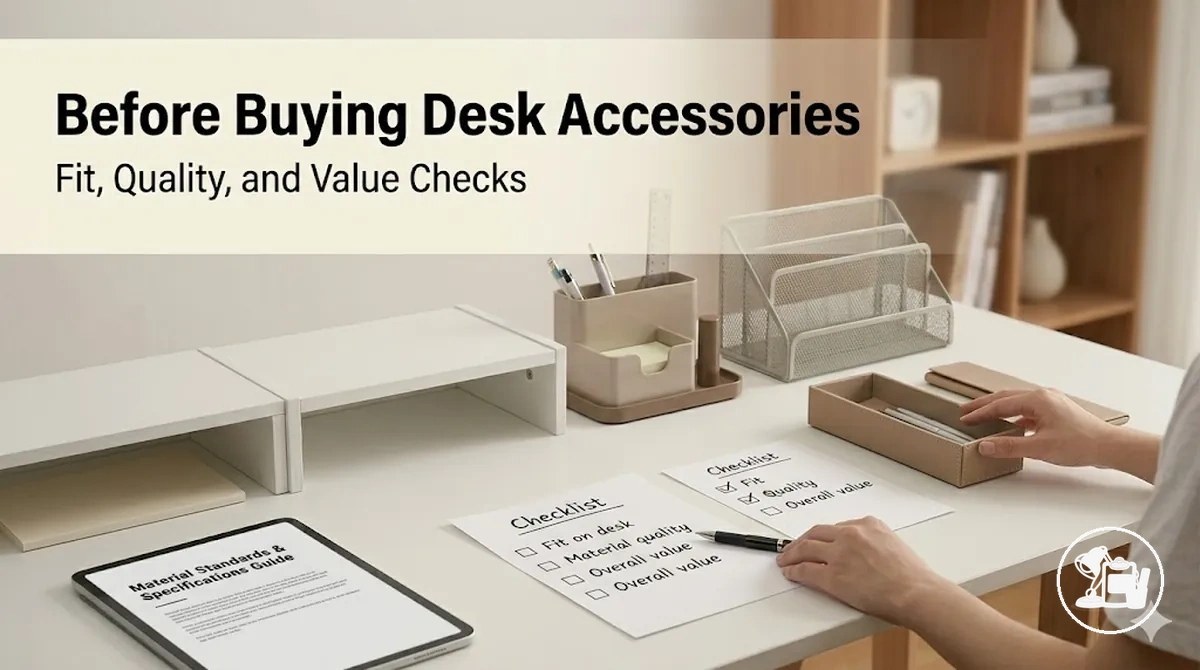
Study Desk Accessories Buying Checks
Study desk accessories buying checks are pre-purchase checks that help evaluate fit, quality, and value before a purchase decision. They frame study desk accessories as items that should support the desk setup, match the available space, and add practical usability without turning the page into a merchant catalog.
Fit depends on desk size, layout, clearance, and compatibility with the working area. Quality depends on materials, finish, build, durability signals, and how the accessory may hold up under daily use. Value depends on price, lifespan signals, practical benefit, and whether the accessory improves decision confidence instead of adding unused clutter.
This buying guide supports safe selection before an external price-check action, so claims about compatibility, durability, and usability should remain conditional when outcomes depend on accessory type, material, user habit, or desk setup. For broader context around accessory categories and setup roles, use the study desk setup accessories hub before narrowing the selection.
The next section clarifies which study desk accessories are inside the buying-check scope, while product examples may appear later near the end of the bottom-third of the article after the main selection logic is established.
Study Desk Accessory Scope Before Purchase
Study desk accessory scope before purchase defines which study desk accessories should be considered within a buying context, emphasizing their role, fit, and relevance to a desk setup. It frames accessories that contribute to organization, lighting, storage, cable management, surface usability, or ergonomic support without extending into a full product catalog.
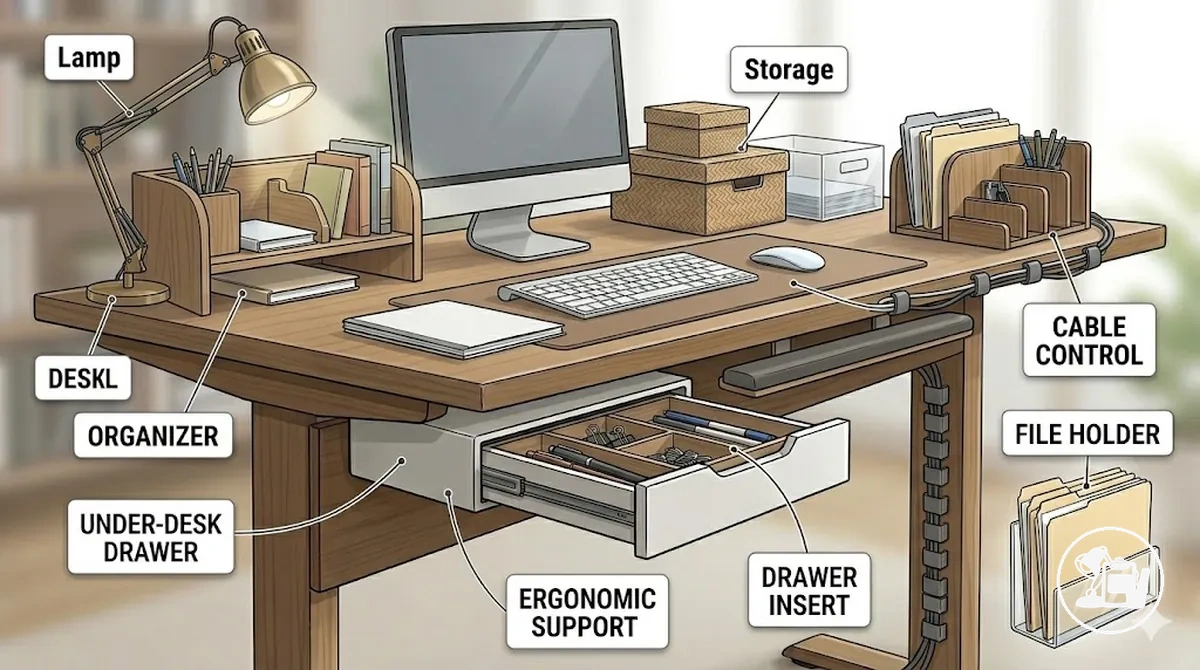
The scope organizes accessory types by their functional role rather than individual products. Accessories that typically fall within this buying scope include organizers for stationery and clutter control, lamps for study-focused lighting and comfort, storage items for supplies or books, cable management tools for routing wires efficiently, desk mats for surface support, and ergonomic support items for posture and usability.
This section separates relevant buying-check subjects from adjacent content that handles complete setup arrangements or specialized accessory categories in more depth. The focus remains on decision-support clarity rather than catalog completeness, ensuring relevance according to desk size, user habit, and buying context.
Study desk accessory scope before purchase organizes accessory roles as follows:
- Organization: an organizer can support stationery access and reduce loose desktop clutter.
- Lighting: a lamp can enhance visibility and comfort for reading or screen tasks.
- Storage: storage accessories can hold supplies or books, optimizing desk surface use.
- Cable control: cable management items can keep wires orderly when multiple devices or chargers are present.
- Surface support: a desk mat can define the working area and protect the desk surface.
- Comfort support: ergonomic items can improve usability and posture depending on desk setup and user activity.
Fit Checks for Desk Size, Space, and Layout
Fit checks for desk size, space, and layout depend on the desk's dimensions, available surface area, and accessory placement. Evaluating fit ensures accessories are compatible with the working area without overcrowding or limiting usability.
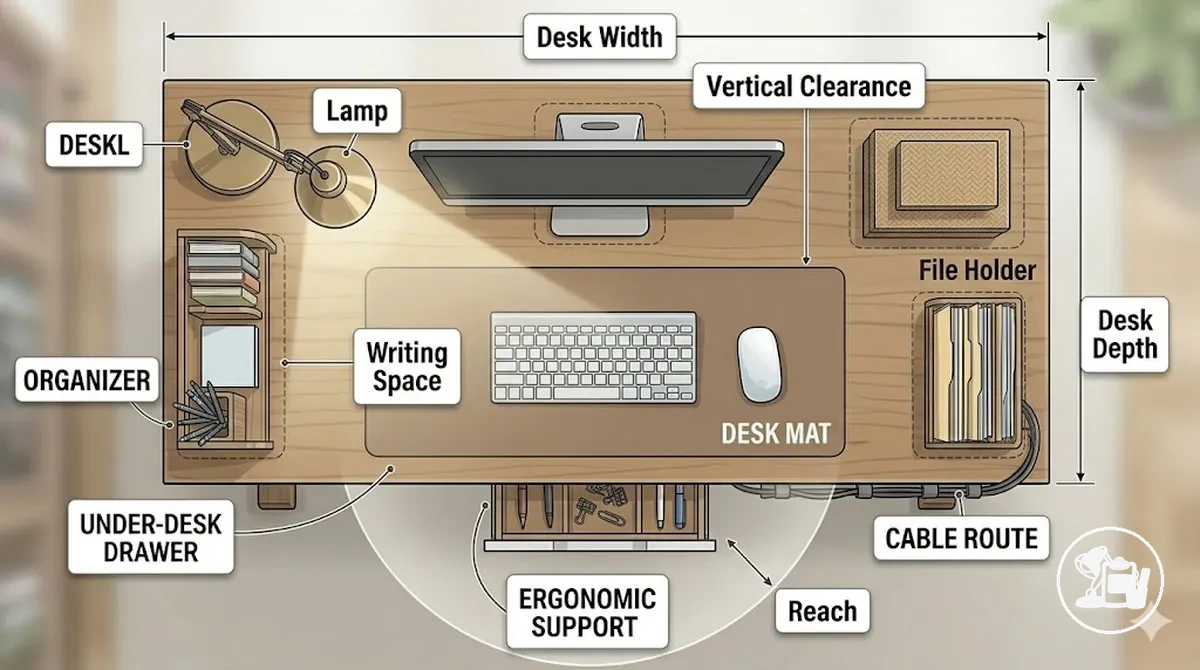
Dimension and clearance checks consider how the desk width and depth accommodate the accessory footprint, ensuring that the remaining writing space is sufficient and vertical clearance supports items like lamps or stands. Placement fit depends on the arrangement of other desk items, access to frequently used objects, and movement space, so assessment is conditional on each desk setup.
Layout fit affects daily usability by highlighting potential clutter or restricted access, which can influence buying decisions. Considering these conditions helps determine whether an accessory will function effectively within the intended desk environment.
Fit Checks for Desk Size, Space, and Layout include practical signals such as:
- Desk width: check that accessory footprint leaves adequate side clearance.
- Desk depth: allow space for writing or monitor placement.
- Remaining writing space: ensure functional surface area is preserved.
- Vertical clearance: verify sufficient space above the desk for lamps or stands.
- Cable route: maintain unobstructed paths for wires and chargers.
- Reach: ensure items are accessible without compromising posture or movement.
Surface Footprint and Working Area
Surface footprint and working area define how accessories occupy desk space and influence remaining usable area. Understanding the footprint helps determine how much desk surface is preserved for writing, reading, and device placement, guiding usability decisions.
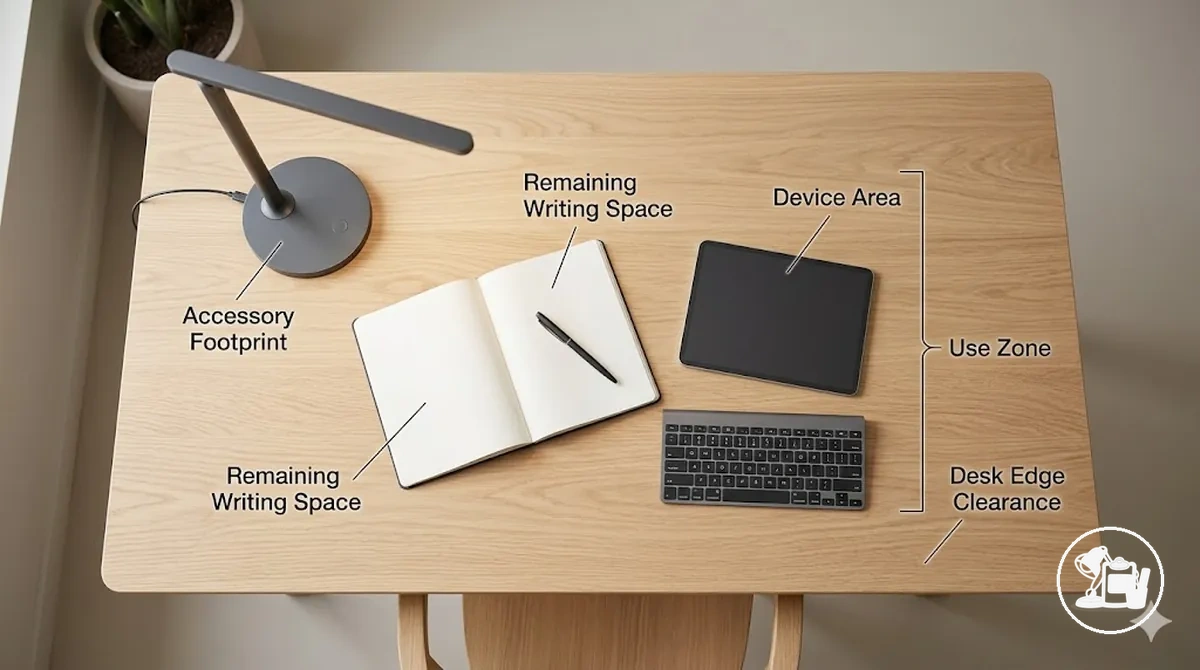
Assessing working area involves checking the desk surface after placing each accessory to ensure sufficient space for essential tasks. Consider the accessory footprint relative to the desk edge and confirm clear zones for daily writing and reading activities.
Practical local checks for surface footprint and working area include:
- Accessory footprint: review how much desk area each item occupies.
- Remaining writing space: ensure space is available for notebooks and documents.
- Device area: maintain clear zones for laptops, tablets, or monitors.
- Desk edge clearance: leave enough perimeter space for movement and reach.
- Use zone: confirm that frequently used items remain accessible without obstruction.
Placement Clearance for Lamps, Stands, Storage, and Cable Items
Placement clearance depends on accessory movement, height, and access needs. Checking placement clearance helps ensure that lamps, stands, storage units, and cable items remain usable without creating obstruction or limiting reach.
Accessory-specific clearance risks can affect adjustment, access, and daily use. A lamp base may need enough clearance space for arm movement, a stand may require placement room for angle changes, storage items may become less usable when access is blocked, and a cable item may create obstruction when the wire path restricts edge clearance or reach.
Local placement clearance checks include:
- Lamp base: maintain clearance for arm movement and height adjustment to support access.
- Stand: allow placement room around the base so device positioning remains usable.
- Storage: keep access gaps clear to reduce reach obstruction during daily use.
- Cable item: preserve a clear wire path and desk edge clearance to maintain access.
Function and Priority Checks Before Adding Accessories
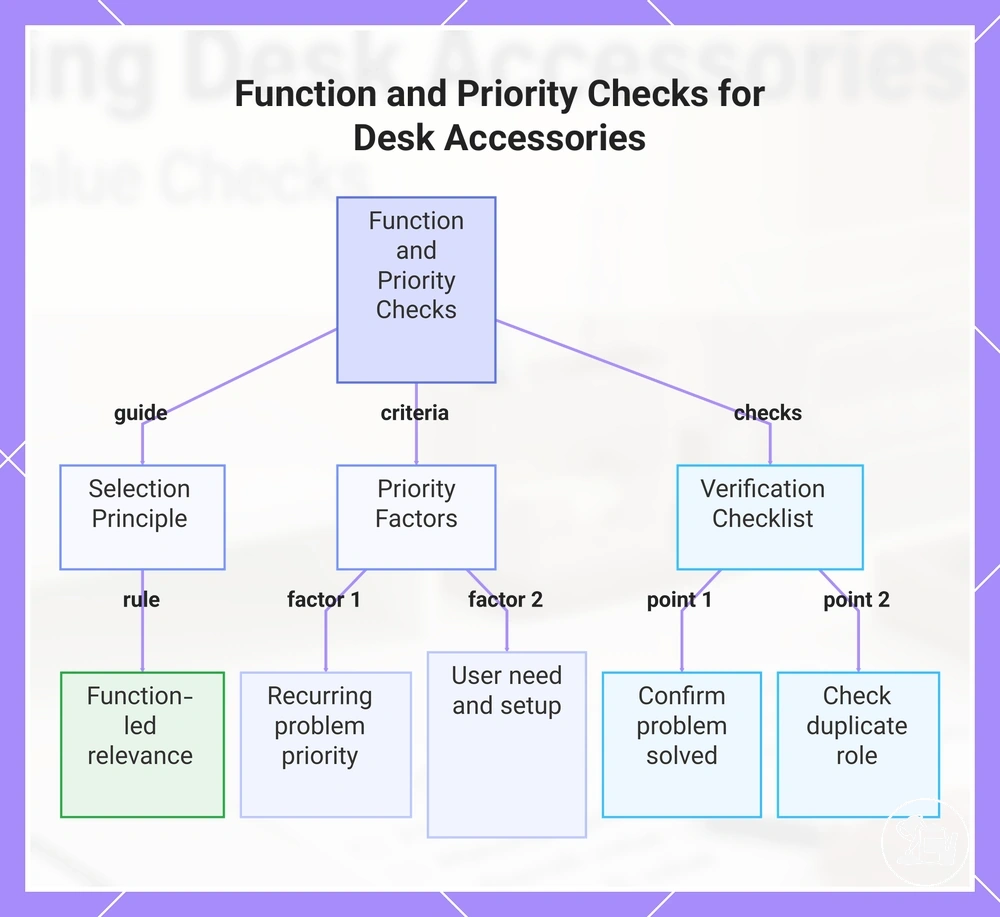
Function and priority checks before adding accessories depend on the accessory function and the desk problem it solves. Priority should be assigned to accessories that support a clear practical use, because function-led selection creates a more relevant decision outcome than adding items without a defined purpose.
An essential accessory role depends on user need, desk setup, and study habit. Functions that address a recurring desk problem may deserve higher priority, while optional accessories are often convenience additions that support preference rather than a core need. An organizer, lamp, cable control item, or ergonomic support accessory should be evaluated according to its function instead of its category.
Avoid adding accessories that create a duplicate function when an existing item already fulfills the same role. Function and Priority Checks Before Adding Accessories work best when each accessory has a distinct purpose and contributes to practical use. The accessory checklist can be used as a criteria reference to verify function before purchase.
Mini-checklist for function and priority verification:
- Problem solved: confirm the accessory addresses a specific desk problem.
- Frequency of use: consider whether the function will be used regularly.
- Duplicate role: check whether an existing accessory already serves the same purpose.
- Fit with desk: verify that the accessory role aligns with the available setup.
- Comfort impact: assess whether the function may improve daily usability.
- Value relevance: determine whether the function supports a meaningful decision outcome.
This chart shows the key selection principle, priority factors, and verification checklist for evaluating desk accessories before adding them.
Quality Checks for Materials, Finish, and Durability
Quality checks for materials, finish, and durability depend on the accessory's material, construction, visible surface condition, and durability signals that influence long-term usability. Differences in build, surface consistency, and component stability can affect how study desk accessories perform under daily use. Evaluating these observable attributes helps guide informed decisions without relying on marketing claims.
Assessing materials and finish involves examining whether the chosen materials are consistent, appropriately suited for the accessory role, and free from visible imperfections such as rough edges, uneven coating, or wear. Structural build should be evaluated by observing joints, moving parts, and adjustment mechanisms for stable operation and minimal play. These checks allow users to identify potential points of wear that may affect usability over time.
Durability signals link material and build assessments to practical desk use. Secure construction, well-supported moving parts, and consistent finish can indicate lower risk of functional degradation with regular handling, although outcomes may vary based on accessory type, user habits, and maintenance. Considering these quality signals can help improve decision confidence when selecting accessories for a desk setup.
Quality Checks for Materials, Finish, and Durability can be organized using material and build criteria:
| Accessory part | Quality attribute | Check condition | Decision impact |
|---|---|---|---|
| Surface areas | Finish quality | Look for consistent texture and absence of visible defects | May affect appearance and daily usability |
| Structural frame | Build stability | Check for secure assembly and minimal unintended movement | Can influence support and reliability |
| Moving parts | Adjustment quality | Observe smooth operation and controlled movement | May affect ease of use over time |
| Joints and connections | Construction quality | Review connection points for stability and wear signals | Can influence durability expectations |
Build Defects, Surface Finish, and Moving Parts
Build defects, surface finish issues, and weak moving parts can signal lower usability when evaluating a study desk accessory. Visible roughness, uneven edges, loose joints, or inconsistent adjustment mechanisms are inspection cues that may affect daily handling. The impact of a defect may vary by accessory type, intended use, and the severity of the issue.
Inspection should focus on component-level details before judging overall construction quality. Edges, joints, hinges, and moving parts often reveal finish issues or construction flaws that may influence stability, adjustment quality, or user experience. The following checks help connect a visible defect to its possible usability impact.
- Rough edges or surface finish irregularities can affect touch comfort and day-to-day usability.
- Loose joints or visible wobble may reduce stability during normal use.
- Hinges with uneven resistance can affect adjustment consistency.
- Moving parts that catch, bind, or shift unexpectedly may make adjustment less convenient.
- Visible defects around joints or connection points warrant closer inspection before making a decision.
Durability Signals by Accessory Type
Durability signals vary by accessory type, material, and construction details. A cable holder, organizer, or lamp may show different wear patterns because each accessory type experiences different loads and usage conditions. Material signals should be assessed together with joints, bases, attachment methods, and adjustment points rather than as standalone indicators.
Comparing durability signals involves evaluating how material, construction, and use context interact over time. Organizer compartments and joints may reveal load-related wear, lamp bases and adjustment arms may indicate stability during repeated positioning, and cable holder clips or adhesive areas may show strain from regular cable movement. Durability expectations depend on the accessory type, material quality, construction quality, and maintenance rather than any exact lifespan estimate.
Durability Signals by Accessory Type can be organized using accessory-specific durability criteria:
| Accessory type | Durability attribute | Condition to check | Decision meaning |
|---|---|---|---|
| Organizer | Joint integrity | Check compartments and joints for visible wear | May indicate how the structure handles regular loads |
| Lamp | Base stability | Observe the base and arm adjustment points | Can help assess stability during repeated repositioning |
| Cable holder | Attachment condition | Inspect clips, adhesive areas, or strain points | May indicate resistance to repeated cable movement |
| Adjustable accessory | Moving joint wear | Review adjustment points for smooth operation and wear signs | Can help evaluate continued adjustment usability |
Comfort and Usability Checks That Affect Daily Study Use
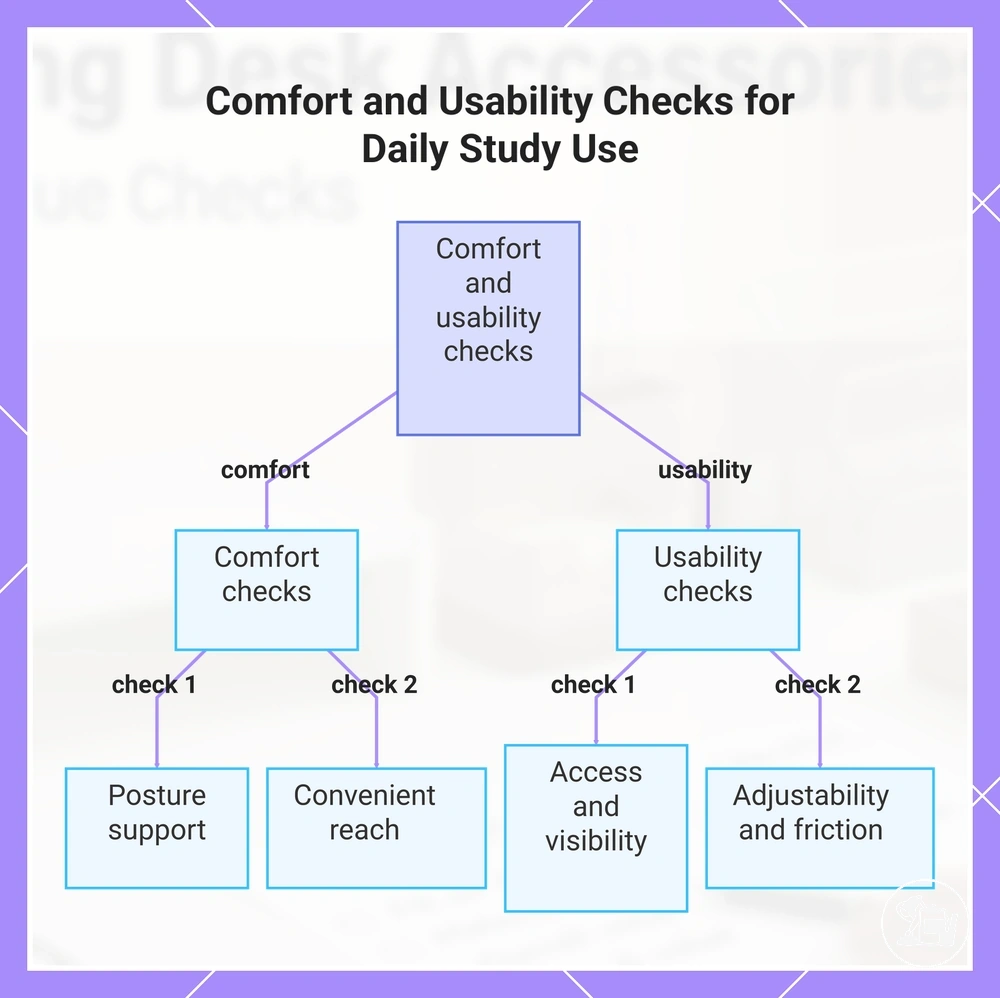
Comfort depends on how a desk accessory affects posture, reach, visibility, and daily study use. An accessory that supports convenient positioning and access may improve user comfort during extended study sessions, while poor placement can create workflow friction. Comfort outcomes vary by desk layout, body size, adjustment range, and usage duration.
Usability checks should focus on accessibility, reach, and workflow efficiency. Evaluate whether the accessory can be accessed without excessive movement, whether visibility remains clear during study tasks, and whether adjustments are easy to perform when needed. Separating comfort from usability helps identify whether an issue relates to physical positioning or practical accessibility.
- Posture: Check whether the accessory supports a comfortable working position without forcing awkward placement.
- Reach: Verify that frequently used items remain within convenient reach during daily use.
- Visibility: Assess whether glare, obstruction, or placement affects visibility of study materials.
- Accessibility: Confirm that controls, compartments, or stored items are easy to access.
- Adjustability: Review whether position changes can be made smoothly for different tasks.
- Repeated-use friction: Identify actions that may become inconvenient when repeated throughout the day.
User comfort should be considered alongside usability when making a selection decision. Reviewing comfort checks can help clarify how an accessory's ergonomic attribute aligns with study habits and workspace arrangement. Comfort and ease of use may differ between users depending on individual preferences and desk setup conditions.
This chart shows the main comfort and usability checks for evaluating a desk accessory, grouped by physical positioning and practical accessibility.
Value Checks for Price, Lifespan, and Practical Benefit
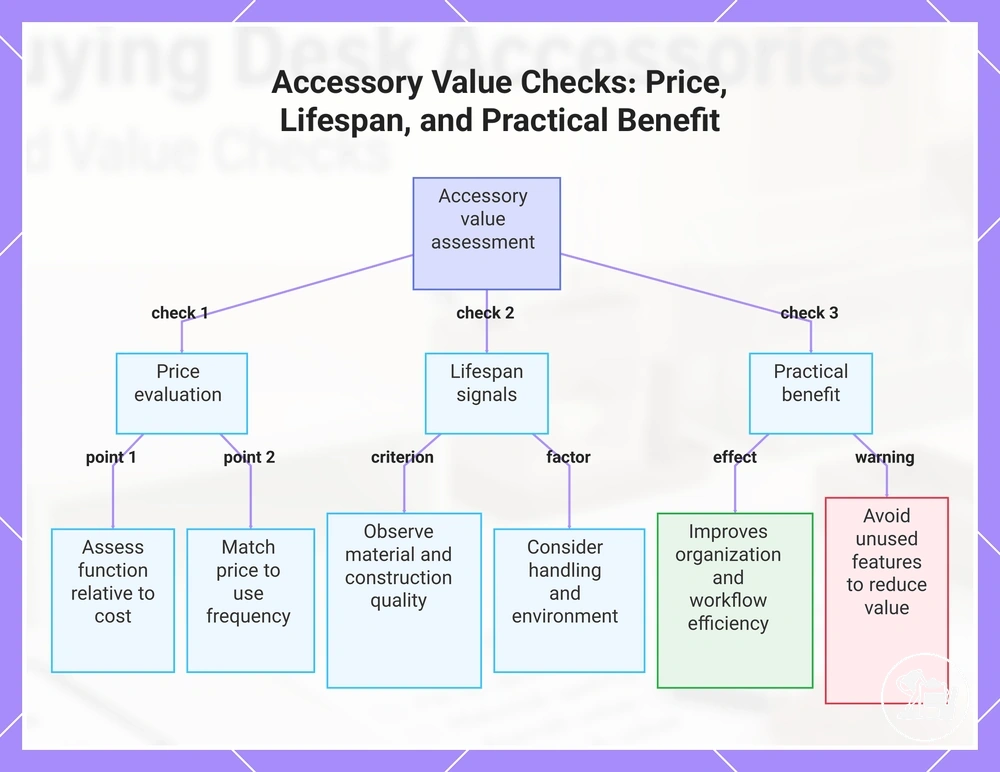
Value checks depend on price, expected use, lifespan signals, and practical benefit. A strong cost-value assessment considers how an accessory supports daily use, how long-term usefulness may align with its design, and whether the function matches a real desk need. Value can vary based on use frequency, material quality, and study habits.
Price should be evaluated in relation to function rather than low cost alone. An accessory with a higher price factor may provide more value when its function supports frequent use, while a lower-priced option may be sufficient when requirements are limited. Cost-value depends on relevance to the intended task rather than absolute price.
Lifespan signals help estimate potential durability without implying an exact lifespan. Material condition, construction quality, and signs of wear resistance can provide durability cues, although long-term usefulness may differ depending on handling, environment, and use frequency.
Practical benefit should be assessed against study habits and desk constraints. An accessory need becomes more meaningful when the accessory improves organization, accessibility, or workflow efficiency within the available workspace. Reviewing buying checks for value can help connect practical benefit to individual priorities.
Unused functions can reduce buying value even when an accessory appears feature-rich. Before a purchase decision, compare each function against actual daily use requirements and consider whether additional features contribute to long-term usefulness or simply increase the cost trade-off.
The final purchase decision should balance price, durability signals, practical benefit, and expected daily use. A cost-value evaluation is strongest when accessory need, function, and long-term usefulness align with the user's priorities and study environment.
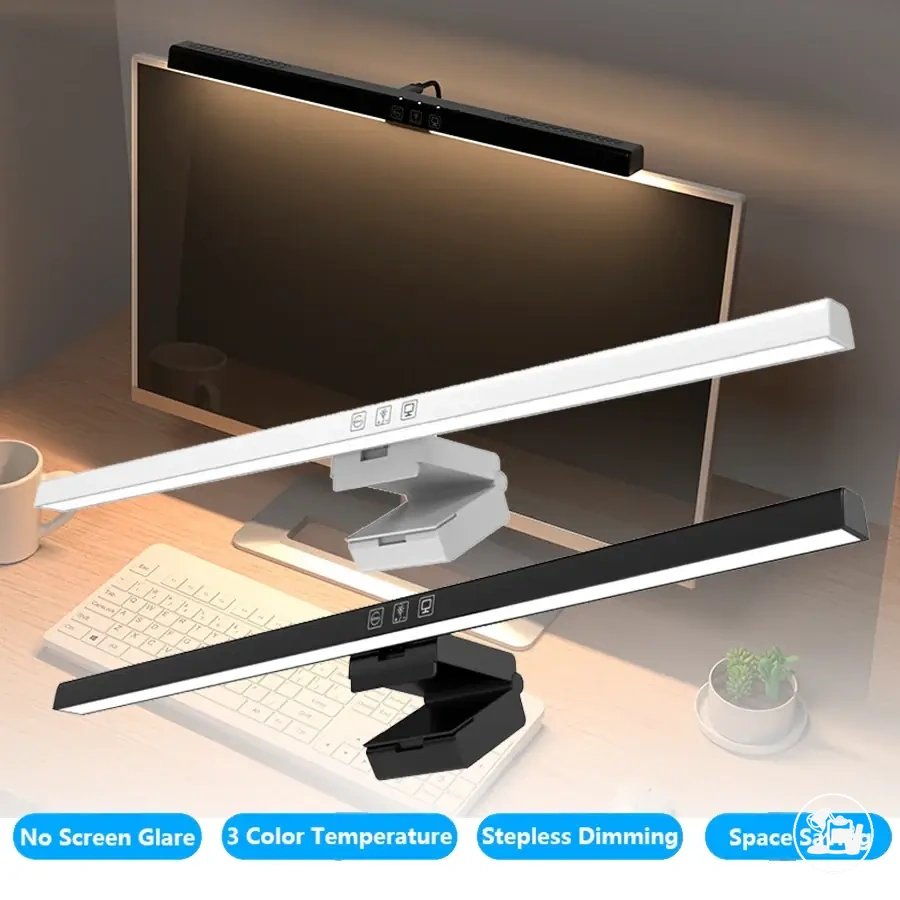
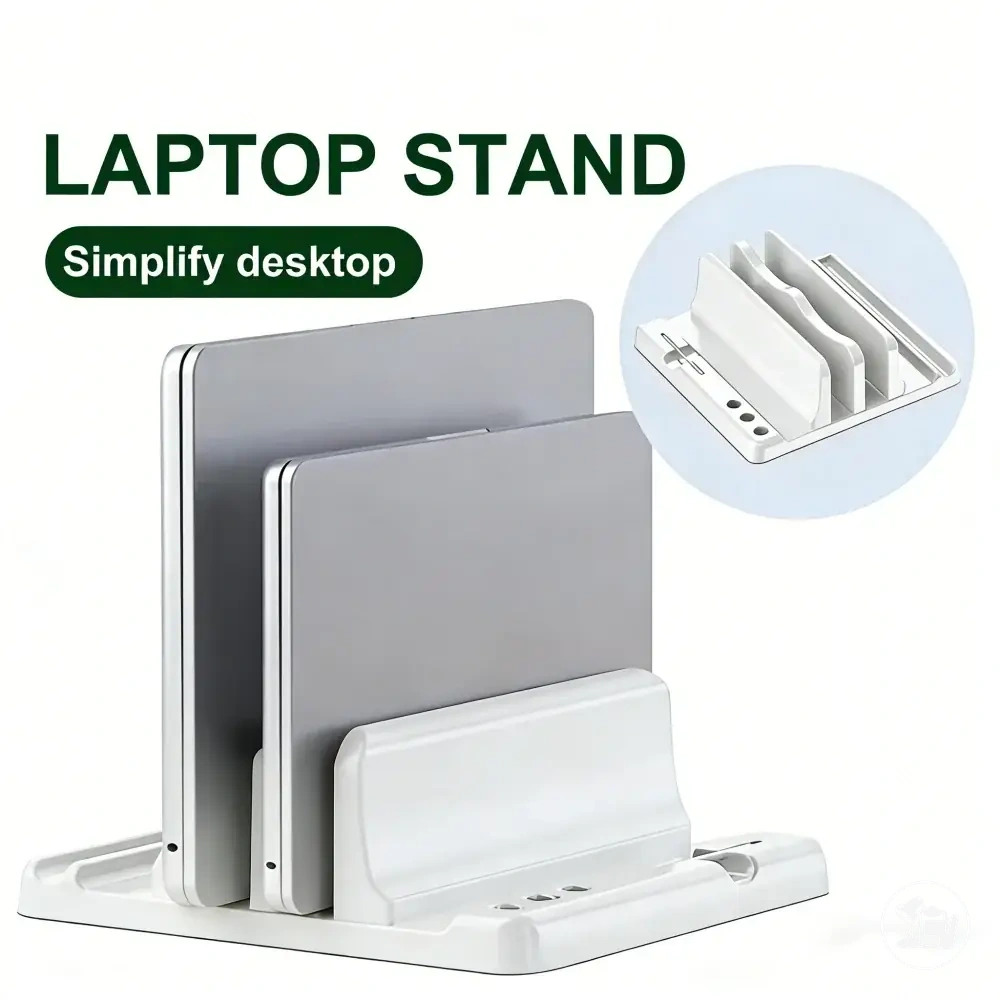
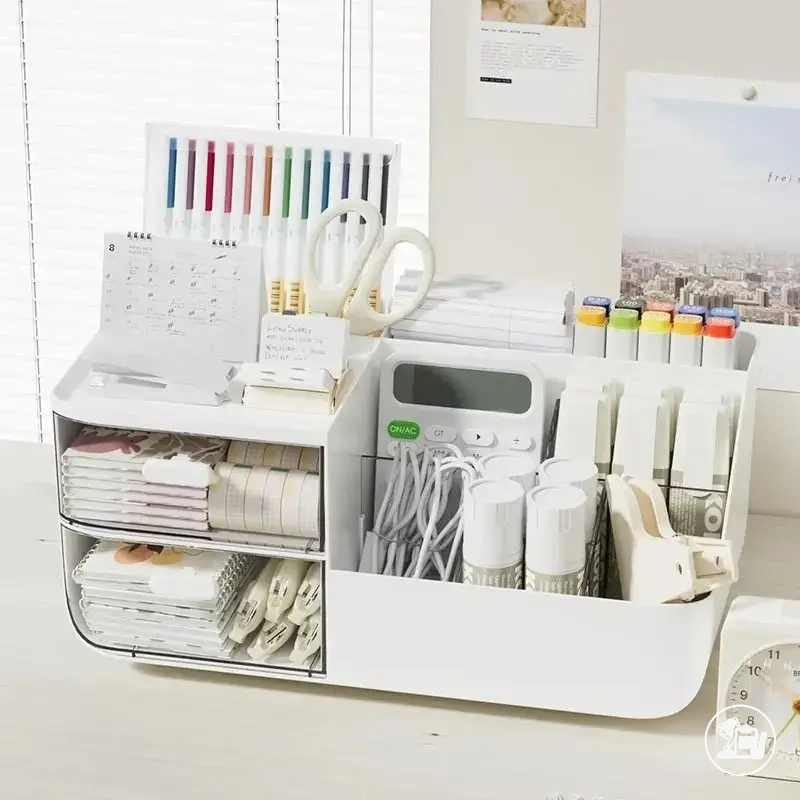
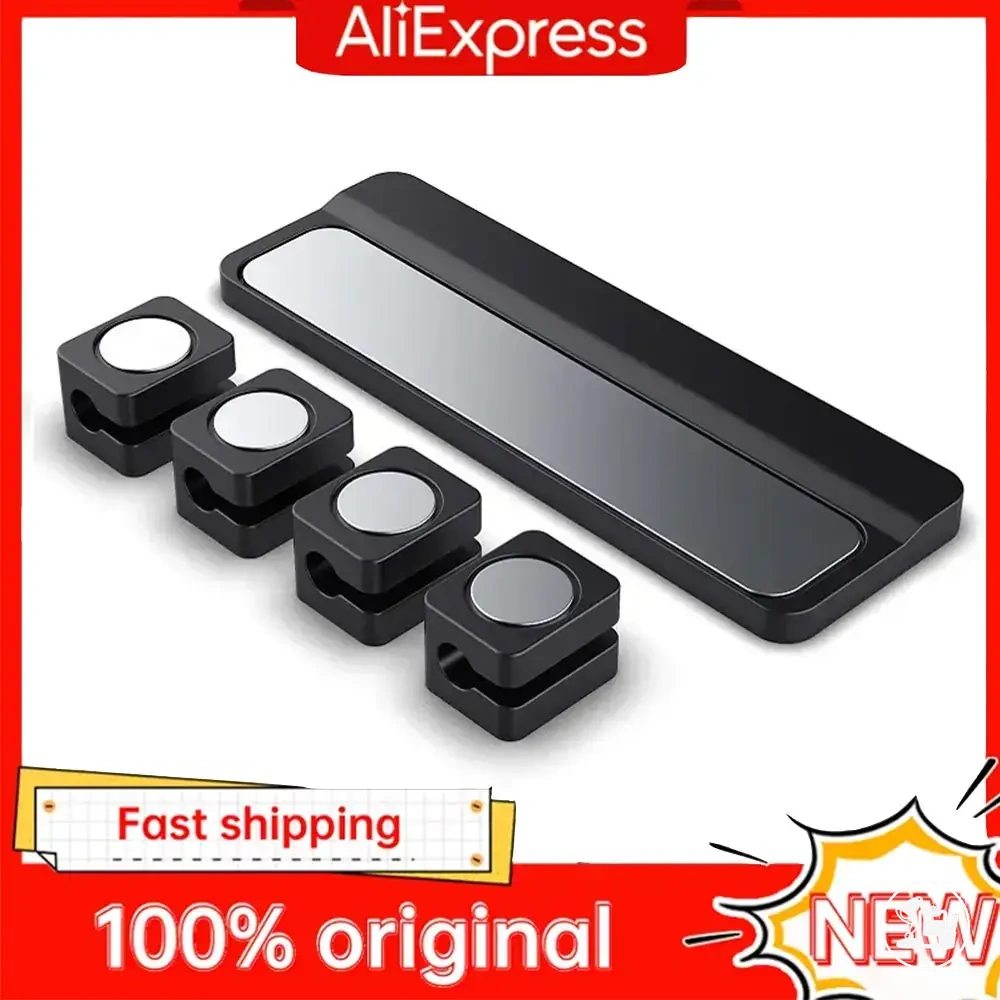
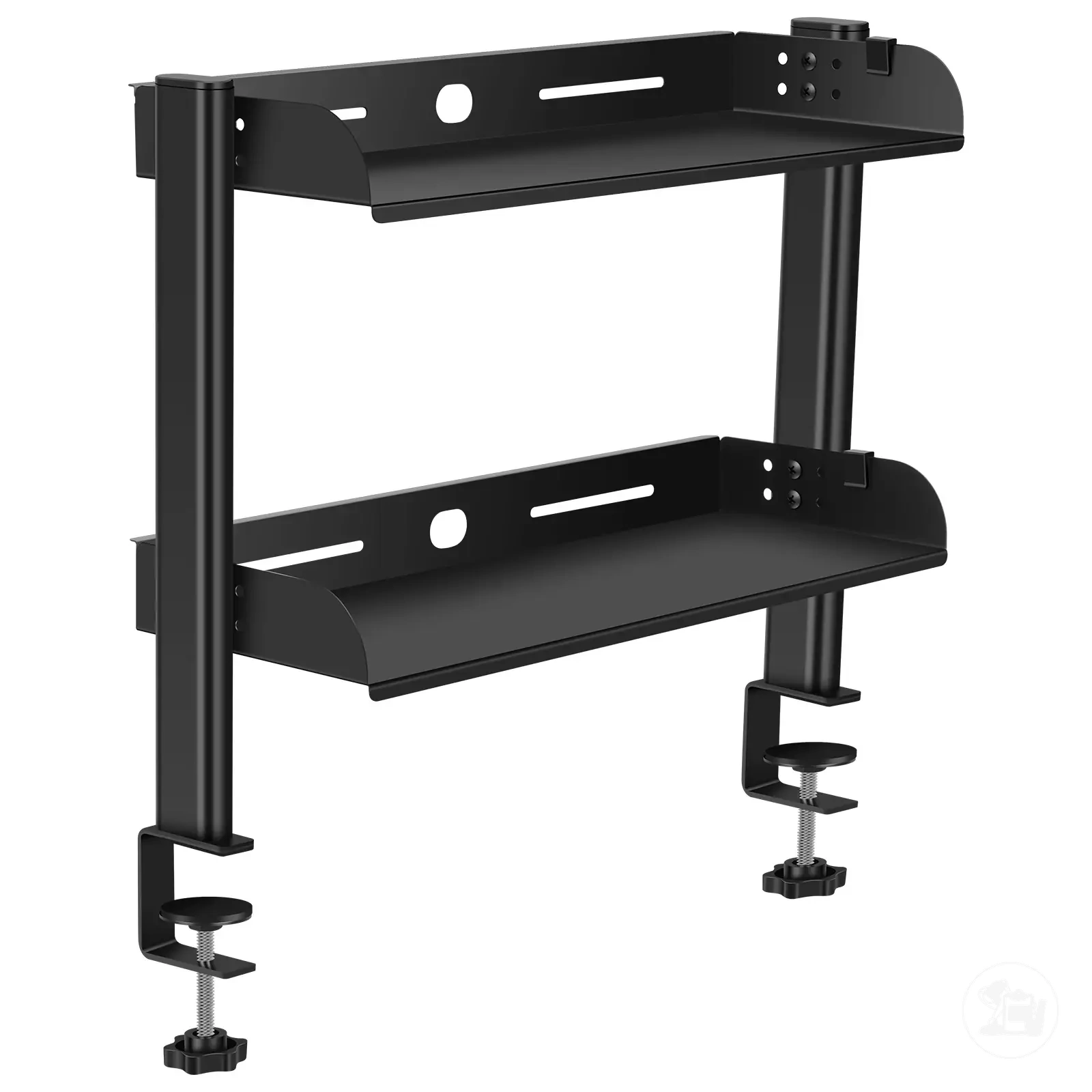
The products below are useful examples for comparing available options. Before buying, check that the compatibility criteria, key features, and product details match your needs.
This chart outlines the three key value checks—price evaluation, lifespan signals, and practical benefit—for assessing an accessory's cost-worthiness.
Comparison Checks for Similar Desk Accessories
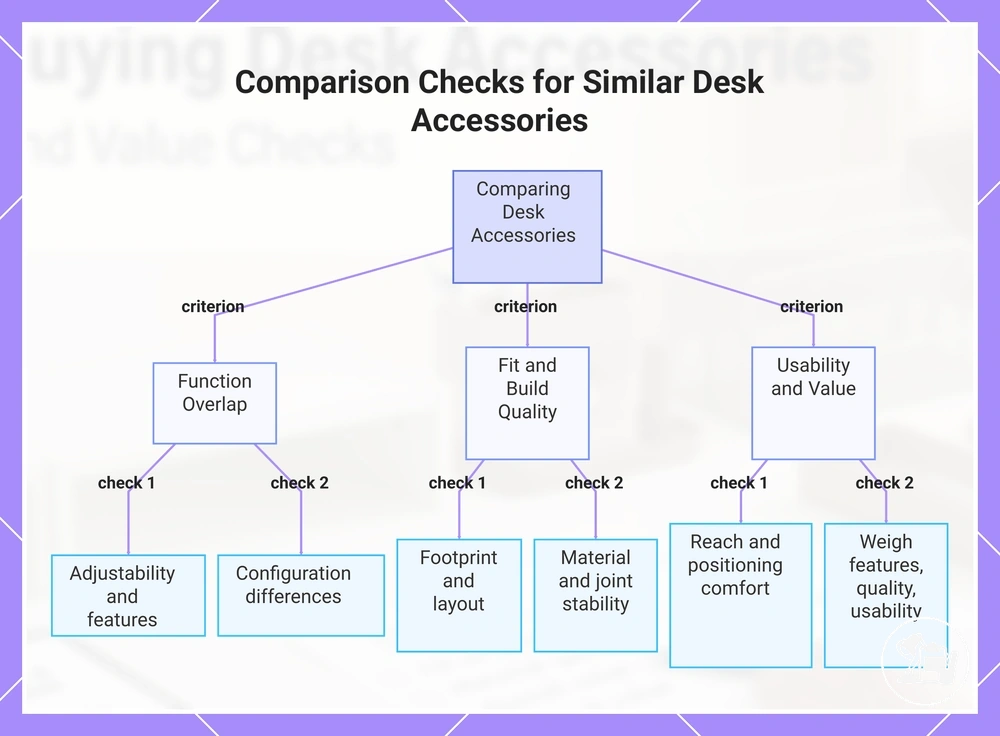
Comparison checks for similar accessories depend on differences in function, fit, build, and value. Assessing these criteria helps identify which accessory type aligns best with desk space, usage patterns, and daily study requirements.
Function overlap should be evaluated to determine whether multiple options provide similar capabilities. When functions overlap, accessory alternatives may differ mainly in adjustability, configuration, or secondary features, guiding the decision for practical use.
Fit and space impact are important comparison points. Option type and footprint influence desk layout, workflow, and accessibility. Considering these trade-offs ensures the chosen accessory integrates smoothly with other items.
Quality and durability signals can differentiate similar accessories. Examine material integrity, joint stability, and construction quality to compare robustness and potential long-term usefulness without assuming exact lifespan.
Comfort and usability differences also matter. Evaluate how the accessory affects reach, positioning, and ease of adjustment to understand practical daily use advantages for each option type.
Value trade-offs involve weighing features against function, quality, and usability. Considering these aspects alongside accessory need helps clarify worth-it accessory decisions without ranking or favoring specific products.
Selection should integrate function, fit, quality, usability, and value to determine the most suitable accessory for a given desk setup and study routine.
The products below are useful examples for comparing available options. Before buying, check that the compatibility criteria, key features, and product details match your needs.
This chart outlines the key comparison criteria for similar desk accessories, covering function, fit, quality, comfort, and value.
Common Buying Mistakes That Reduce Accessory Value
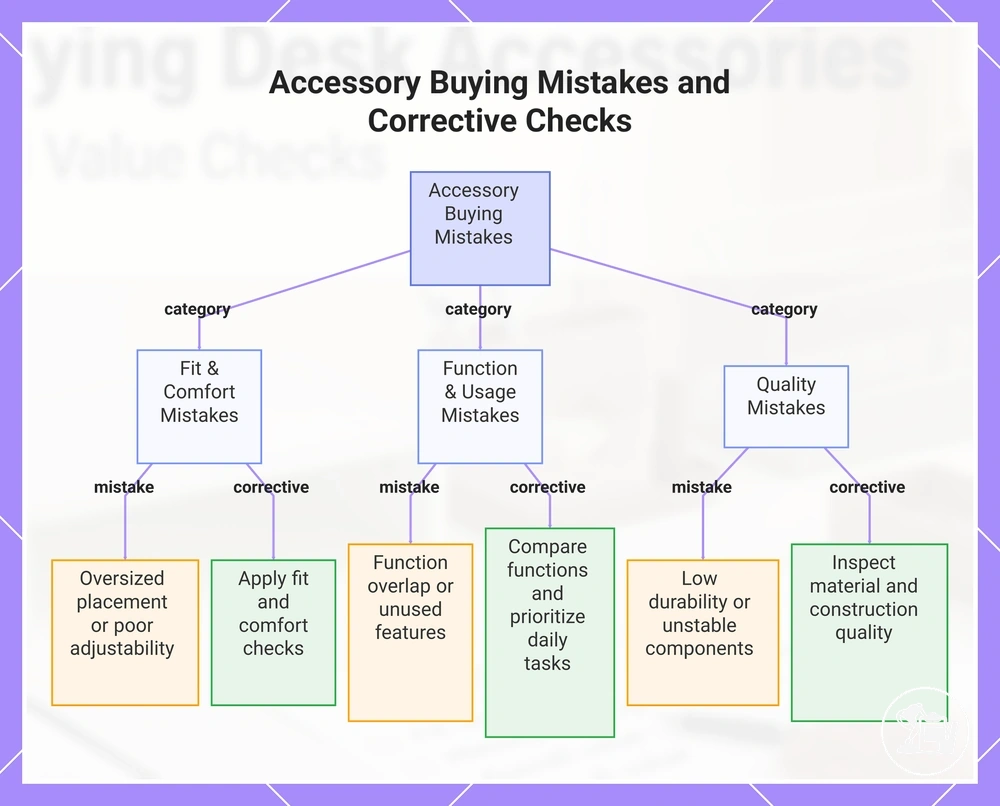
Common buying mistakes usually result from ignoring fit, function, quality, or daily use considerations. Skipping these evaluations can reduce accessory value, lead to cluttered or impractical desk setups, and lower overall usability. Careful assessment helps mitigate these issues.
Mistake patterns arise when function overlap is overlooked, fit constraints are ignored, quality issues are underestimated, or unused features are purchased. Using criteria-based evaluation allows users to diagnose high-risk purchase areas and apply corrective checks.
Corrective selection logic involves matching accessory type to desk needs, assessing quality signals, and considering actual daily use. Applying these checks prevents value loss and enhances practical usability over time.
- Fit mistake: Oversized or poorly placed accessories can create clutter and reduce accessibility. Corrective tip: Use space and fit checks to ensure proper integration with desk layout.
- Function overlap: Purchasing multiple accessories with similar functions may waste space and reduce efficiency. Corrective tip: Compare function overlap to select complementary features.
- Quality issue: Low durability or unstable components increase replacement risk. Corrective tip: Inspect material integrity and construction quality before purchase.
- Unused function: Features that are rarely used add cost and complexity. Corrective tip: Prioritize accessories that support actual daily tasks.
- Comfort oversight: Ignoring adjustability or reach can lower ease of use. Corrective tip: Check comfort checks to maintain usability and desk comfort.
Addressing these common buying mistakes ensures that accessories provide better value, integrate with desk space effectively, and support daily study use efficiently. Following these diagnostic checks improves selection confidence and mitigates accessory value loss.:contentReference[oaicite:0]{index=0}
This chart shows the main categories of buying mistakes that reduce accessory value and the corrective checks to avoid them.
Final Pre-Purchase Checklist for Study Desk Accessories
A final pre-purchase checklist helps verify fit, function, quality, comfort, and value before selecting study desk accessories. This verification process reduces decision uncertainty by confirming that an accessory aligns with desk layout, study habits, and intended use rather than relying on appearance or features alone.
Final Pre-Purchase Checklist for Study Desk Accessories should be used as a verification sequence rather than a product ranking method. Review each criterion against your own requirements, and use the accessory checklist as a final decision reference before purchase.
- Checklist item: Verify fit with available desk space. Check: Confirm dimensions and footprint suit the layout. Outcome: Helps reduce space-related usability issues.
- Checklist item: Verify function against intended use. Check: Confirm the accessory supports actual study tasks. Outcome: Helps avoid unnecessary features and unused function.
- Checklist item: Verify quality signals. Check: Review material condition, finish consistency, and construction. Outcome: Supports confidence in durability expectations.
- Checklist item: Verify comfort factors. Check: Assess reach, positioning, and adjustability where relevant. Outcome: May improve day-to-day usability.
- Checklist item: Verify value. Check: Compare price with expected benefit and frequency of use. Outcome: Helps evaluate cost-value alignment.
- Checklist item: Verify usability. Check: Confirm access, operation, and workflow compatibility. Outcome: Supports practical daily use.
- Checklist item: Verify compatibility with existing items. Check: Ensure the accessory fits within the current desk arrangement. Outcome: Helps reduce placement conflicts.
- Checklist item: Verify maintenance requirements. Check: Review cleaning and care considerations. Outcome: Supports long-term usability.